In the injection molding industry, the dehumidification and drying process is an indispensable procedure. Especially in humid seasons and high-humidity areas, water vapor in the air easily penetrates into plastic pellets, causing raw material moisture absorption, which in turn leads to a series of production risks and quality issues. As the core equipment to solve this pain point, how exactly does the dehumidifying dryer manifest its importance in production? Niasi, a practitioner in the industry, reveals the details in depth.
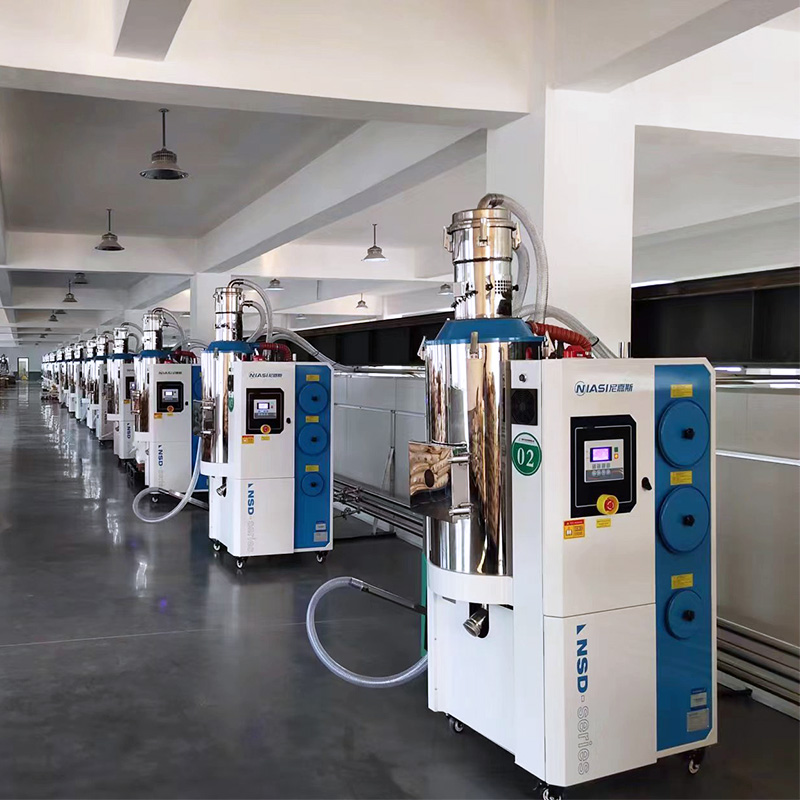
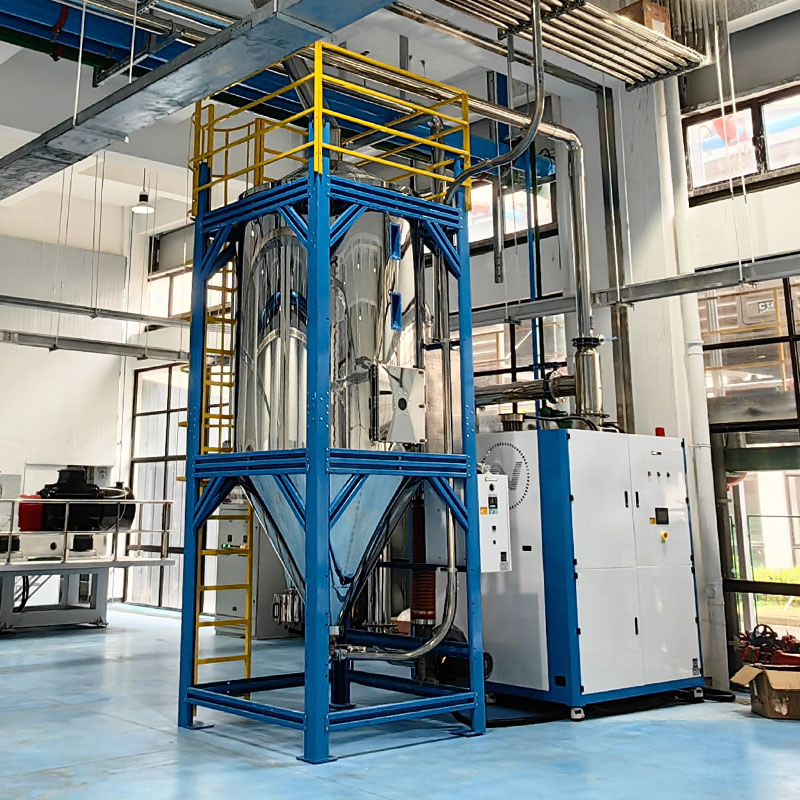
What Consequences Arise from Insufficiently Dried Plastic Pellets?If moisture-absorbed plastic pellets are directly put into the injection molding process, they will cause irreversible impacts on the quality of finished products, which is also a common difficulty in quality control across the industry.
Inadequate drying of plastic pellets will easily result in various defects in the molded products: common appearance problems such as shrinkage, silver streaks and cracks not only affect the product texture but also reduce its structural strength; issues like air bubbles and insufficient transparency will directly lead to product scrapping. Especially for high-end scenarios such as precision injection molding and transparent part production, the defective rate caused by moisture absorption will rise sharply, bringing direct economic losses to enterprises. All these problems stem from inadequate dehumidification and drying, where residual moisture in plastic raw materials vaporizes during the high-temperature injection molding process, thus damaging the stability of product forming.
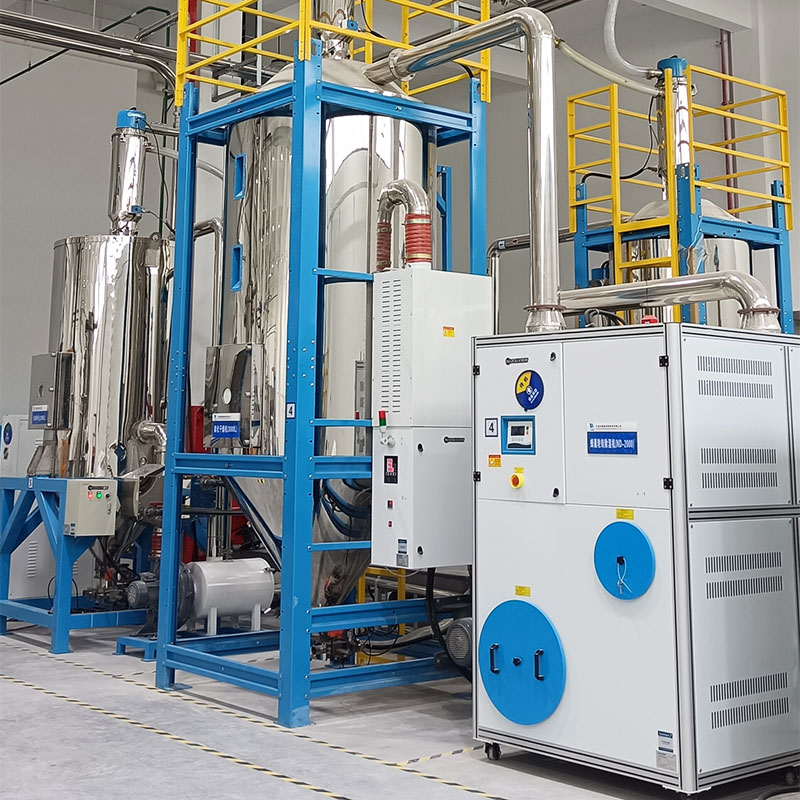
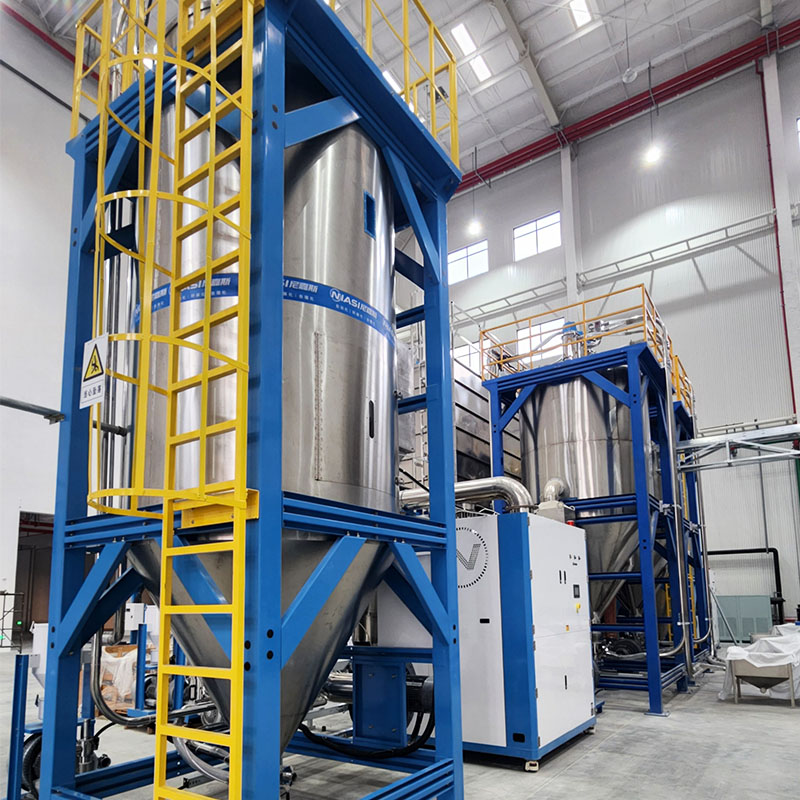
As an indispensable auxiliary equipment in injection molding production, the core advantage of dehumidifying dryers lies in accurately solving the problem of raw material moisture absorption while providing support for enterprises to reduce costs and increase efficiency. It can remove moisture from plastic raw materials through a high-efficiency dehumidification system, avoid the occurrence of finished product defects from the source, and ensure the stability of product quality.
Dehumidifying dryers can also significantly optimize production efficiency and cost control. Traditional drying methods are often time-consuming with uneven drying effects; the use of dehumidifying dryers can greatly shorten the dehumidification operation time and improve raw material processing efficiency. At the same time, properly dried raw materials can effectively reduce the generation of waste and defective products, cut down raw material waste, and help enterprises lower production costs and enhance market competitiveness in the long run.
Dehumidifying dryers can not only solve the production pain points caused by raw material moisture absorption and ensure stable product quality, but also empower enterprises to achieve refined production by improving efficiency and reducing waste. Its importance in plastic processing is self-evident.