Plastic manufacturers often face challenges such as inconsistent raw material supply, high labor costs, dust contamination, and production downtime. Central Feeding Systems provide an automated solution by transporting plastic materials continuously and accurately from storage areas to processing machines.
For companies operating injection molding, extrusion, blow molding, or recycling lines, NIASI’s Automatic Vacuum Feeding Machine helps you build a more efficient material handling process. Founded in 2008, Dongguan NIASI Plastic Machine Co., Ltd. specializes in plastic processing equipment and provides centralized solutions covering material conveying, drying, mixing, and auxiliary automation equipment.
What Are Central Feeding Systems and How Do They Work?
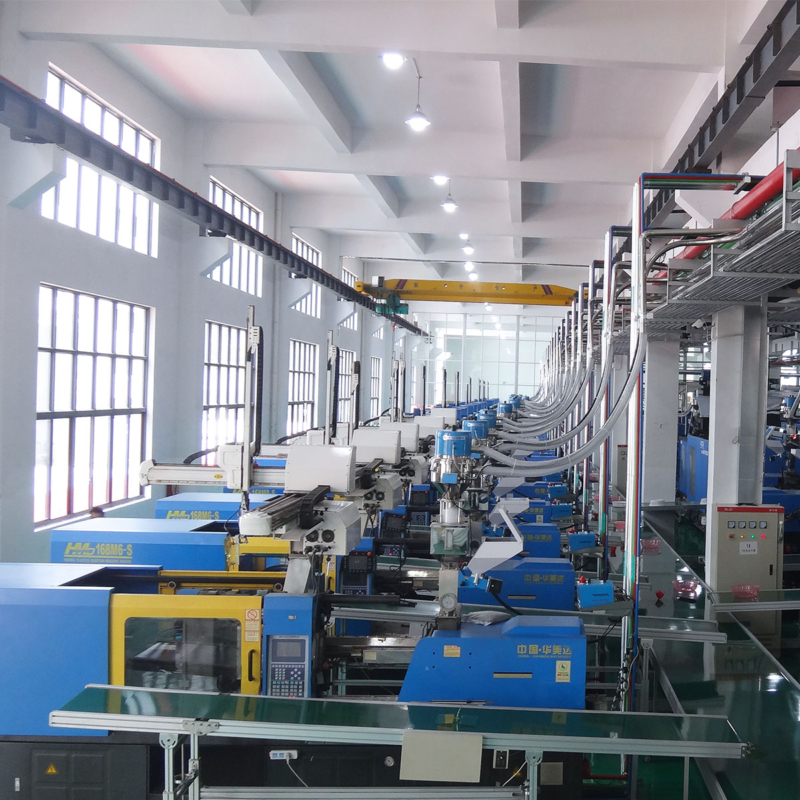
A Central Feeding System is an automated material transportation solution designed to deliver plastic pellets, resin, and other raw materials to multiple production machines through a centralized pipeline network.
Unlike traditional manual feeding methods, NIASI’s centralized feeding systems use vacuum conveying technology to move materials efficiently while reducing human intervention.
The system typically includes:
- Vacuum pumps for generating stable conveying power
- Central control units for intelligent operation management
- Material storage and distribution pipelines
- Automatic loaders connected to processing machines
- Dust filtration systems for cleaner production environments
By integrating these components, you can achieve stable material supply and improve production consistency.
Why Choose NIASI Central Feeding Systems for Plastic Processing?
NIASI focuses on developing reliable plastic auxiliary equipment for global manufacturers. Its product portfolio includes dehumidifying dryers, gravimetric blenders, hopper loaders, mold temperature controllers, intermixer systems, and centralized material conveying solutions.
The Automatic Vacuum Feeding Machine is designed with practical features that support industrial production:
- Split structure design: Improves operational safety and simplifies maintenance.
- Removable hopper: Allows faster cleaning and easier inspection.
- Automatic material transportation: Reduces manual loading requirements.
- Safety protection functions: Includes overload protection, material shortage alarms, and dust filtration.
- Continuous feeding performance: Supports stable production for injection molding and extrusion processes.
NIASI’s manufacturing capabilities are supported by CNC machining equipment, laser cutting machines, hydraulic presses, powder coating systems, and product testing equipment. These resources allow NIASI to control product quality throughout the manufacturing process.
Central Feeding Systems Applications in Different Industries
Plastic manufacturers across different industries require stable raw material transportation. NIASI’s Plastic Material Feeding Systems are suitable for various production environments.
| Application Industry | Feeding System Benefits | Typical Materials |
|---|---|---|
| Automotive Components | Stable feeding for continuous molding production | ABS, PP, engineering plastics |
| Medical Devices | Cleaner material handling process | Medical-grade polymers |
| Food Packaging | Reduces contamination risks | PET, PP, PE pellets |
| Wire and Cable | Supports long production cycles | PVC, plastic compounds |
| Plastic Pipes | Enables centralized feeding for extrusion lines | HDPE, PVC resin |
These applications show why automated material conveying systems have become an important part of modern plastic factories.
How Does an Automatic Vacuum Feeding Machine Improve Production?
When you install a Vacuum Hopper Loader or centralized feeding system, your production workflow becomes more organized.
The working process includes:
- Raw material storage
Plastic pellets or resin materials are stored in designated containers before production. - Vacuum transportation
The feeding system creates negative pressure to transfer materials through pipelines. - Material distribution
The control system directs materials to different processing machines according to production requirements. - Automatic replenishment
Sensors detect material levels and trigger feeding operations when needed. - Continuous production support
Machines receive a stable material supply, helping reduce interruptions and improve efficiency.
NIASI’s Experience and Quality Commitment
Since 2008, NIASI has focused on central material conveying systems and auxiliary equipment for plastics molding. The company serves industries including automotive, packaging, electronics, medical products, and extrusion manufacturing.
NIASI’s quality approach includes:
- Professional R&D teams covering mechanical design, automation engineering, software development, and testing.
- Advanced manufacturing facilities equipped with precision machining and inspection equipment.
- Industry certifications and quality management practices to support reliable product performance.
- Global customer cooperation experience with manufacturers in different application fields.
Through continuous innovation, NIASI helps customers optimize production workflows and improve factory automation levels.
Central Feeding Systems vs Traditional Manual Feeding
| Feature | Central Feeding Systems | Manual Feeding |
|---|---|---|
| Labor requirement | Lower manual operation needs | Requires frequent worker involvement |
| Material supply | Automatic and continuous | Depends on manual handling |
| Production efficiency | Supports high-volume manufacturing | Limited by labor capacity |
| Cleanliness | Uses filtration systems to reduce dust | Higher contamination possibility |
| Factory management | Enables centralized control | Requires separate management |
For large-scale plastic processing plants, automated feeding provides better control over material flow and production stability.
FAQ
1. What materials can Central Feeding Systems handle?
NIASI’s systems are designed for common plastic materials such as plastic pellets, resin particles, and engineering plastics used in injection molding and extrusion applications.
2. Can a Central Feeding System connect with multiple machines?
Yes. A centralized system can distribute materials to multiple production machines through a pipeline network, making it suitable for factories with several processing lines.
3. How does NIASI ensure equipment reliability?
NIASI controls manufacturing quality through professional engineering teams, advanced production equipment, and systematic testing procedures during production.
Conclusion
Choosing the right Central Feeding Systems helps you reduce manual handling, improve material supply stability, and create a more efficient plastic processing workflow. With more than 15 years of experience since its establishment in 2008, NIASI provides reliable Plastic Material Feeding Systems and automation solutions designed for injection molding, extrusion, and other plastic manufacturing applications.
If you are planning to upgrade your factory material handling process, NIASI can provide customized centralized feeding solutions based on your production requirements.
CTA
Contact NIASI today to discuss your plastic material conveying needs and request a customized Central Feeding System solution for your factory.